Bioenergetics, Metabolic and Nutritional Biochemistry. Coordinator: Bergamini
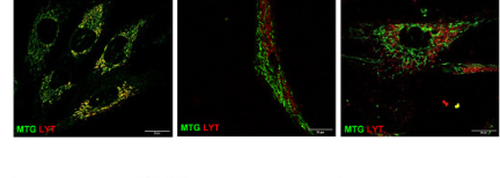
Metabolic and bioenergetic alterations underlie metabolic, neurodegenerative, oncological, and cardiovascular diseases. The research group investigates the mechanisms of cellular metabolism and bioenergetics and the effects of naturally derived bioactive compounds.
Research themes
Biochemistry of metabolism and bioenergetics studies the cellular chemical processes responsible for energy production and utilization. Metabolism encompasses the reactions that convert nutrients into energy and essential biomolecules, while bioenergetics investigates the mechanisms of energy generation and conservation, particularly mitochondrial oxidative phosphorylation and ATP synthesis. The work of our research group is organized into three main research lines.
1. Study of metabolic and bioenergetic pathways under physiological and pathological conditions
Metabolic and bioenergetic processes are tightly regulated to maintain energy balance and respond to environmental changes. A deeper understanding of these processes is crucial to elucidate the molecular basis of metabolic diseases, aging, neurodegenerative disorders, and cancer. These studies focus on:
- Investigating the role of mitochondrial bioenergetics in regulating cellular homeostasis.
- Analyzing cellular metabolism in diseases such as diabetes, obesity, cancer, and neurodegeneration.
2. Study of the effects of natural bioactive components on metabolism, redox signaling, and cellular bioenergetics
These studies also explore the valorization of food waste. Natural bioactive molecules can modulate key biological processes such as metabolism, bioenergetics, inflammation, and oxidative stress, representing an area of growing interest for medicine and human nutrition. Understanding the molecular bases of their function is important for the prevention and treatment of various diseases. Our research group aims to:
- Analyze the impact of natural compounds on the regulation of carbohydrate, lipid, and protein metabolism.
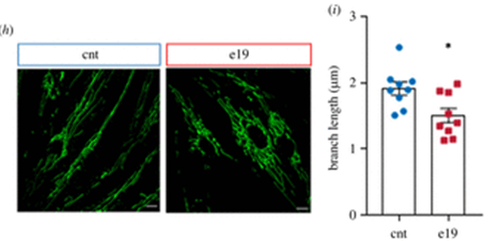
- Investigate the influence of these substances on ATP production, mitochondrial dynamics, and oxidative stress management.
3. Application of proteomics for biomarker discovery in human diseases and for studying the effects of nutraceuticals in cellular models of inflammation and neurodegeneration
Comparative analysis of complete proteomes from biological fluids, tissues, and cells allows identification of differences in protein expression and the proposal of potential pathological biomarkers useful for diagnosis or therapy monitoring. Our studies include:
- Comparing the proteome of healthy and pathological biological samples using 2DE/MS/MS and/or shotgun proteomics.
- Investigating the effects of nutraceuticals in cellular models of inflammation and neurodegeneration and identifying their potential targets.
Lab Members
Christian Bergamini, Associate Professor
Cecilia Prata, Associate Professor
Laura Giusti, Associate Professor
Romana Fato, Alma Mater Professor
Nicola Rizzardi, Research Fellow (Post Doc)
Francesca Valenti, PhD Student
Luca Pincigher, PhD Student
Chiara Zalambani, PhD Student
Martina Salmi, PhD Student
Internship Projects
Research line 1: two internship position each year
Research line 2 and 3 : one/two internship positions each year
Main publications
- Diquigiovanni C, Rizzardi N, Cataldi-Stagetti E, Gozzellino L, Isidori F, Valenti F, Orsini A, Astolfi A, Giangregorio T, Pironi L, Boschetti E, Arrigo S, Maresca A, Magnoni P, Costanzini A, Carelli V, Taniguchi-Ikeda M, Fato R, Bergamini C, De Giorgio R, Bonora E. Glutamine Supplementation as a Novel Metabolic Therapeutic Strategy for LIG3-Dependent Chronic Intestinal Pseudo-Obstruction. 2025 Jan;168(1):68-83. doi: 10.1053/j.gastro.2024.08.009. Epub 2024 Aug 21. PMID: 39173721.
- Diquigiovanni C, Rizzardi N, Kampmeier A, Liparulo I, Bianco F, De Nicolo B, Cataldi-Stagetti E, Cuna E, Severi G, Seri M, Bertrand M, Haack TB, Marina AD, Braun F, Fato R, Kuechler A, Bergamini C, Bonora E. Mutant SPART causes defects in mitochondrial protein import and bioenergetics reversed by Coenzyme Q. Open Biol. 2023 Jul;13(7):230040. doi: 10.1098/rsob.230040.
- Cervia D, Zecchini S, Pincigher L, Roux-Biejat P, Zalambani C, Catalani E, Arcari A, Del Quondam S, Brunetti K, Ottria R, Casati S, Vanetti C, Barbalace MC, Prata C, Malaguti M, Casati SR, Lociuro L, Giovarelli M, Mocciaro E, Falcone S, Fenizia C, Moscheni C, Hrelia S, De Palma C, Clementi E, Perrotta C. Oral administration of plumbagin is beneficial in in vivo models of Duchenne muscular dystrophy through control of redox signaling. Free Radic Biol Med. 2024 Nov 20;225:193-207. doi: 10.1016/j.freeradbiomed.2024.09.037. PMID: 39326684.
- Rizzardi N, Pezzolesi L, Samorì C, Senese F, Zalambani C, Pitacco W, Calonghi N, Bergamini C, Prata C, Fato R. Natural Astaxanthin Is a Green Antioxidant Able to Counteract Lipid Peroxidation and Ferroptotic Cell Death. Int J Mol Sci. 2022 Dec 1;23(23):15137. doi: 10.3390/ijms232315137. PMID: 36499464; PMCID: PMC9737268.
- Zallocco L, Ronci M, Pantalone A, Mazzoni MR, Ramoretti E, Lucacchini A, Giusti L, Sebastiani L. Modulation of test anxiety-induced salivary protein secretion by ovarian steroid hormones: a preliminary study. J Physiol Biochem. 2025 Feb;81(1):215-228. doi: 10.1007/s13105-025-01067-w.
Contacts
-
Associate Professor
Dipartimento di Farmacia e Biotecnologie
Via Irnerio 48
Bologna (BO)
Tel: +39 051 20 9 1240
-
Associate Professor
Dipartimento di Farmacia e Biotecnologie
Via Irnerio 48
Bologna (BO)
Tel: +39 051 20 9 1222
-
Associate Professor
Dipartimento di Farmacia e Biotecnologie - FaBiT
Via Belmeloro 6
Bologna (BO)
-
Alma Mater Professor, Adjunct professor
Alma Mater Studiorum - Università di Bologna
Via Zamboni 33
Bologna (BO)
Tel: +39 051 20 9 1243
Tel: +39 051 20 9 1240